Handball Dairy…
- 57
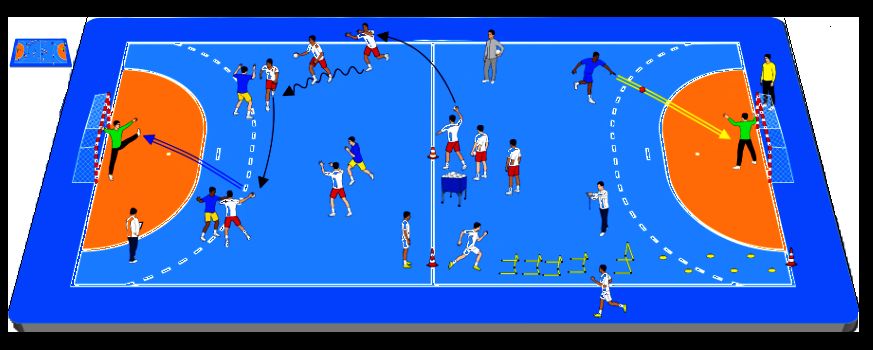
What is handball game?
Handball is a fast-paced team sport played on an indoor court. It involves two teams, each consisting of seven players (six outfield players and one goalkeeper). The objective is to score goals by throwing a ball into the opponent’s net while defending their own goal. Players can dribble, pass, and shoot the ball, but physical contact is limited. The game combines elements of soccer and basketball, emphasizing speed, agility, and teamwork. Handball is popular in Europe and other parts of the world and is governed by the International Handball Federation (IHF).
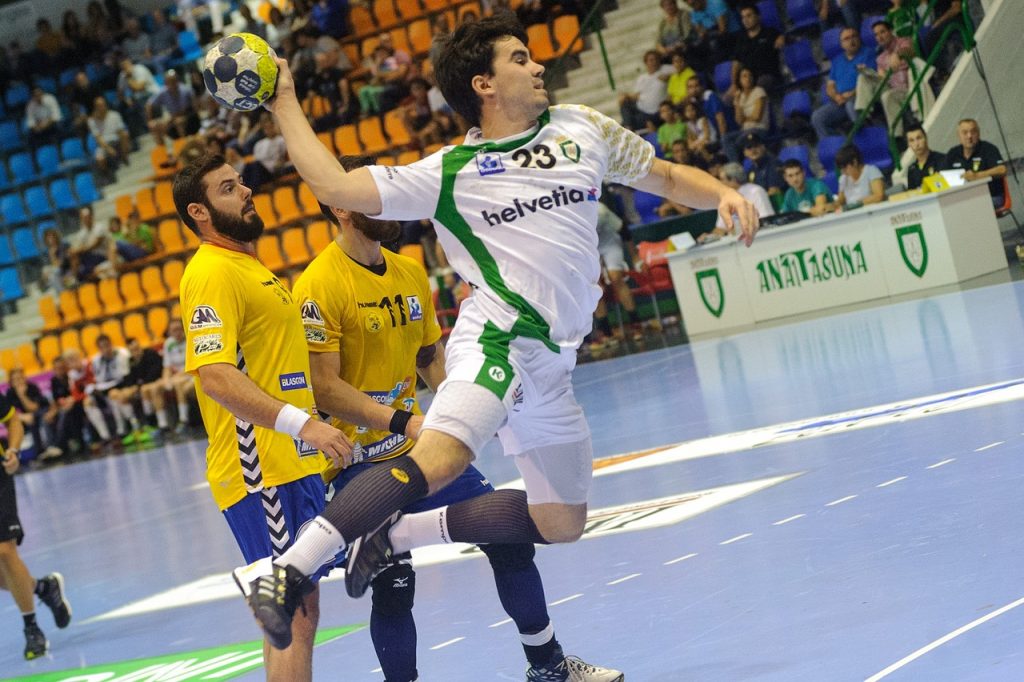
History of Handball game..
Ancient Origins: Handball has its roots in ancient civilizations, with versions of the game being played by the Egyptians, Greeks, and Romans. These early forms of handball involved hitting a ball with the hand to score goals.
Modern Handball: The modern version of handball emerged in the late 19th century in Denmark, Germany, and Sweden. It was initially played outdoors and was known as “field handball.”
Indoor Handball: As the game gained popularity, it transitioned to indoor courts in the early 20th century. This indoor version is the basis for the contemporary team handball that we know today.
Standardization and Rules: The sport’s rules and regulations were standardized over time, with the first set of rules established in 1906. The International Handball Federation (IHF) was founded in 1946 to oversee the global development of the sport.
Olympic Sport: Team handball made its Olympic debut at the 1936 Berlin Games, but it wasn’t until the 1972 Munich Olympics that the modern indoor handball format was introduced for both men and women.
Global Growth: Handball gained popularity throughout Europe, and it also spread to other parts of the world. Today, it is a widely played and watched sport, with major international competitions like the World Handball Championships and the Olympics.
Evolution: The rules and tactics of handball have continued to evolve, making the sport more dynamic and exciting. It is known for its fast-paced nature, teamwork, and combination of elements from soccer, basketball, and other sports.
The history of handball showcases its development from ancient ball games to the modern, highly organized team sport enjoyed by millions of people worldwide.

Handball Game Rules…
1. Team Composition: Each team consists of seven players on the court at a time, including one goalkeeper. Teams can have additional substitutes on the bench.
2. Objective: The primary objective is to score goals by throwing the ball into the opponent’s goal, while defending your own goal.
3. Scoring: A goal is scored when the entire ball crosses the goal line between the goalposts. Each goal is worth one point.
4. Duration: A standard handball game is typically played in two halves of 30 minutes each, with a 10-minute halftime break.
5. Dribbling and Passing: Players can dribble (bounce) the ball while moving, and they can pass the ball to teammates using their hands. There are rules governing traveling (taking too many steps) and double dribbling.
6. Physical Contact: Some physical contact is allowed, but excessive or dangerous contact is penalized. Defensive players are allowed to block and try to steal the ball from the attacking team.
7. Throw-offs: The game begins with a throw-off from the center of the court. Play also restarts after stoppages with throw-ins, free throws, or throw-offs.
8. Free Throws: Free throws are awarded for various infractions and are taken from specific locations on the court. They are used to restart play after a foul or violation.
9. Penalties: Serious infractions can result in penalties, which lead to a player being temporarily removed from the game. The opposing team is given a power play advantage during this time.
10. Goalkeeper Rules: The goalkeeper has special rules. They can use their entire body to defend the goal, but they are not allowed to cross the center line or take part in offensive play.
11. Goalkeeper Throw: When the goalkeeper makes a save, they can throw the ball down the court to initiate a fast break.
12. Out of Bounds: The ball and players are considered out of bounds if they cross the sideline or goal line. Possession is awarded to the opposing team.
13. Timeouts: Teams are allowed a limited number of timeouts during the game to discuss strategy or make substitutions.
14. Time-wasting: Deliberate time-wasting is penalized to keep the game fast-paced.
15. Gender Equality: Handball is known for its strong tradition of gender equality, with both men’s and women’s teams competing at the highest levels.
These are some of the fundamental rules of handball, but the sport has more specific regulations and nuances. The International Handball Federation (IHF) governs the sport and publishes the complete set of rules used in international competition. Local and national handball organizations may have variations and additional rules.
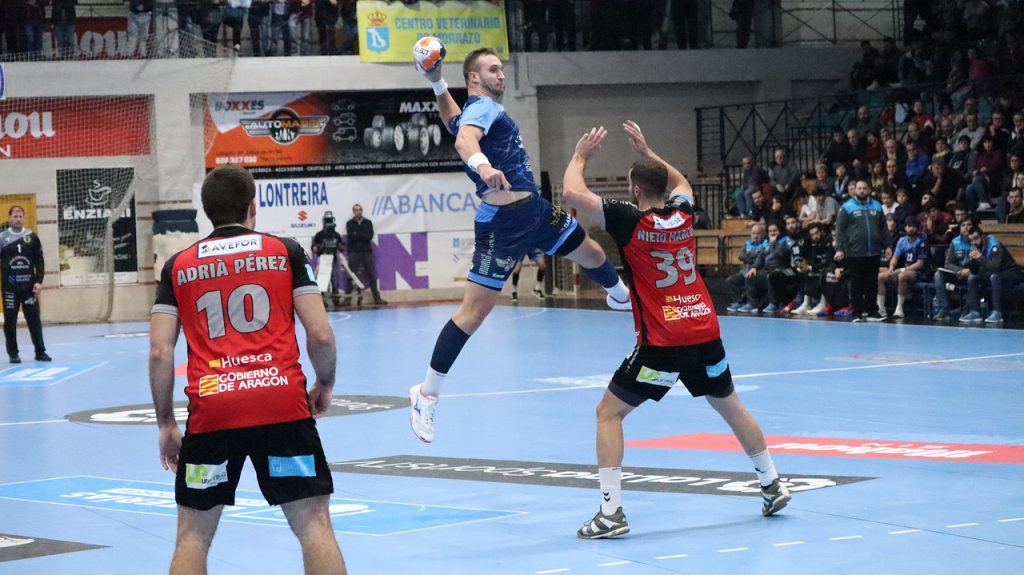
Handball Tournaments…
Handball tournaments are organized events where teams from various regions or countries come together to compete in the sport of handball. These tournaments can vary in scale and level of competition, ranging from local and regional events to international championships. Some of the most notable handball tournaments include:
1. Olympic Games: Handball has been a part of the Summer Olympics since 1936 (men) and 1976 (women). The Olympic handball tournament features national teams from around the world competing for the prestigious Olympic gold medal.
2. World Handball Championships: Organized by the International Handball Federation (IHF), the World Handball Championships are held every two years for both men and women. This tournament gathers national teams from all over the world to determine the world champions.
3. European Handball Championships: The European Handball Championships, often referred to as the EHF Euro, are held every two years for both men and women. European national teams participate in these prestigious competitions.
4. IHF World Cup: The IHF World Cup is an event held for men’s youth teams (under-21) and is an opportunity for young talents to showcase their skills on an international stage.
5. Pan American Handball Championships: This tournament is held for the national teams of countries in the Americas, including North, Central, and South America. It serves as a regional qualifier for the World Handball Championships.
6. Asian Men’s and Women’s Handball Championships: These championships are held separately for men and women and determine the best teams in Asia. The winners often qualify for the World Handball Championships.
7. African Handball Championships: Africa hosts its own handball championship for both men and women. The winners of this tournament also typically qualify for the World Handball Championships.
8. National and Club Tournaments: In addition to international competitions, handball is played at the national level and club level in many countries. Various leagues and cup competitions exist, and the winners often have the opportunity to compete in continental club competitions like the EHF Champions League (Europe) and the IHF Super Globe (worldwide).
These tournaments are not only opportunities for top-level competition but also serve to promote the sport of handball and foster a sense of international camaraderie among players and fans. They showcase the skill and athleticism of handball players from around the world and contribute to the sport’s global popularity.
What is handball game? Handball is a fast-paced team sport played on an indoor court. It involves two teams, each consisting of seven players (six outfield players and one goalkeeper). The objective is to score goals by throwing a ball into the opponent’s net while defending their own goal.…
What is handball game? Handball is a fast-paced team sport played on an indoor court. It involves two teams, each consisting of seven players (six outfield players and one goalkeeper). The objective is to score goals by throwing a ball into the opponent’s net while defending their own goal.…