History of Swimming Game :
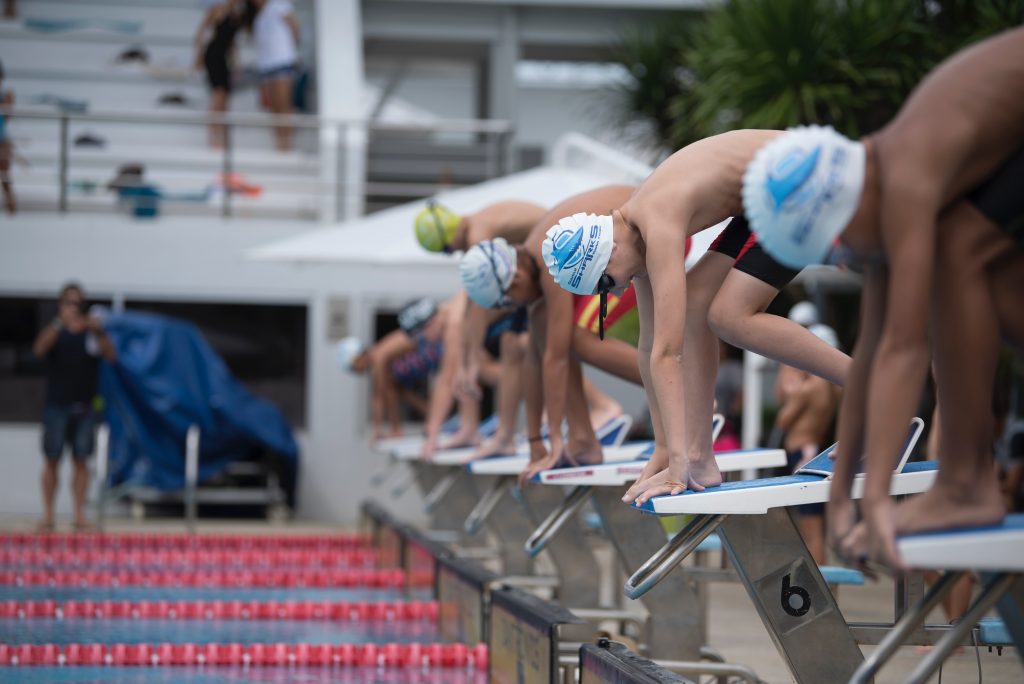
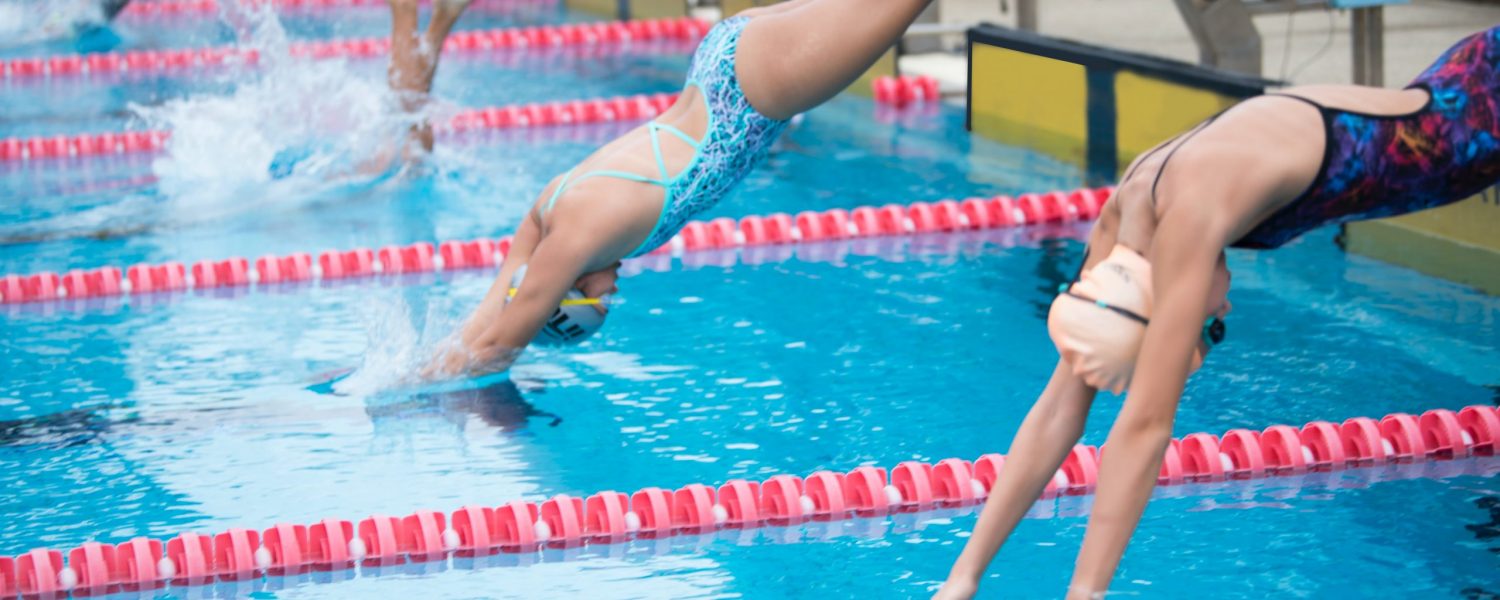
Swimming is a water-based sport and recreational activity that has a long and fascinating history. Here is a brief overview of the history of swimming games.
1. Ancient Origins : Swimming as a form of physical exercise and recreation can be traced back to ancient civilizations. Ancient Egyptian and Assyrian artwork depicts people swimming, and there are references to swimming in ancient texts from Greece and Rome. In these early civilizations, swimming was often associated with military training and was used for crossing rivers and other practical purposes.
2. Greek and Roman Influence: The Greeks and Romans made significant contributions to the development of swimming as a sport. They held swimming competitions, with the earliest known races dating back to around 200 BCE. These races were typically held in open water, such as rivers and lakes, and were part of athletic festivals like the Olympic Games.
3. Middle Ages: During the middle Ages, swimming experienced a decline in popularity in Europe. The emphasis on cleanliness and the fear of waterborne diseases contributed to a general aversion to swimming.
4. Renaissance and 18th Century: Interest in swimming began to revive during the Renaissance period, particularly in Europe. Swimming became a popular pastime for the upper classes. In the 18th century, swimming schools were established, and various stroke techniques began to evolve.
5. 19th Century: Swimming continued to gain popularity throughout the 19th century, with the development of different swimming styles and techniques. The National Swimming Society, founded in London in 1837, played a significant role in promoting swimming as a sport. Competitive swimming races became more organized, and the breaststroke and front crawl (freestyle) emerged as prominent strokes.
6. 20th Century: Swimming gained international recognition as an Olympic sport in the early 20th century. The 1900 Paris Olympics included swimming events for the first time. Over the years, more strokes were added to competitive swimming, including the backstroke and butterfly. Swimming became a popular sport in schools, clubs, and as an essential skill for water safety.
7. Modern Swimming: In the 21st century, swimming has continued to evolve. Advances in training methods, technology, and swimsuit design have led to faster times and more competitive races. Swimmers like Michael Phelps have achieved legendary status with numerous Olympic gold medals. The sport also encompasses various distances and disciplines, including freestyle, backstroke, breaststroke, butterfly, and individual medley.
Swimming remains a popular recreational activity and competitive sport enjoyed by people of all ages worldwide. It offers numerous health benefits, including cardiovascular fitness, muscular strength, and stress relief, and it continues to be a staple of the Summer Olympics and other major international sporting events.
Swimming world Championships:
The Swimming World Championships, often referred to simply as the “World Championships,” is a major international aquatic sports event organized by FINA (Federation Internationals de Natation), the international governing body for aquatic sports. The event features a wide range of aquatic disciplines, including swimming, open water swimming, synchronized swimming, and diving. Here is an overview of the Swimming World Championships:
History: The first Swimming World Championships took place in 1973 in Belgrade, Yugoslavia. It was initially held every four years but later switched to a biennial (every two years) schedule. The event aimed to bring together the world’s best swimmers to compete in various swimming and aquatic sports disciplines.
Disciplines: The World Championships feature several aquatic disciplines, including:
Swimming: This is the most prominent discipline of the event. Swimmers compete in various individual and relay races, showcasing different strokes such as freestyle, backstroke, breaststroke, butterfly, and individual medley.
Open Water Swimming: This discipline involves long-distance races in open water bodies such as lakes, rivers, or oceans. The open water events typically include 5km, 10km, and 25km races for both men and women.
Synchronized Swimming: Teams of swimmers perform choreographed routines in the water, often accompanied by music and artistic elements. The routines require precision, synchronization, and artistic creativity.
Diving: Divers compete in various springboard and platform events, executing acrobatic and artistic dives with a focus on technique, form, and difficulty.
Venue: The Swimming World Championships are held at different venues around the world, with various countries hosting the event. These venues typically have state-of-the-art swimming pools and open water facilities to accommodate the different aquatic disciplines.
Age Groups: The championships are open to swimmers of various age groups, including junior and youth categories, allowing young talents to compete at an international level and gain experience.
Competitors: The event attracts the world’s top swimmers, divers, open water swimmers, and synchronized swimmers. National teams from around the world participate, making it one of the most prestigious and competitive events in aquatic sports.
Significance: The World Championships are considered second in importance only to the Olympic Games in the world of aquatic sports. Athletes use the event as a major stepping-stone toward Olympic qualification and as an opportunity to showcase their talents on a global stage. Winning medals at the World Championships is highly prestigious.
Records and Achievements: Many world records have been set and numerous memorable performances have occurred at the Swimming World Championships. Athletes like Michael Phelps, Katie Ledecky, and César Cielo have left their mark on the event’s history with outstanding achievements.
Impact: These championships play a significant role in promoting and popularizing the sport of swimming on a global scale. They also serve as an important qualifying event for the Olympic Games and other major swimming competitions.
Other Aquatic Disciplines: In addition to swimming, the FINA World Swimming Championships include events in diving, synchronized swimming, and water polo. These disciplines share the same championship stage, providing a comprehensive showcase of aquatic sports.
The Swimming World Championships are one of the most prestigious events in competitive swimming, attracting top athletes, coaches, and fans from around the world. They offer swimmers the opportunity to compete against the best and to establish themselves as world-class athletes in the sport of swimming.
Olympics and Swimming games:
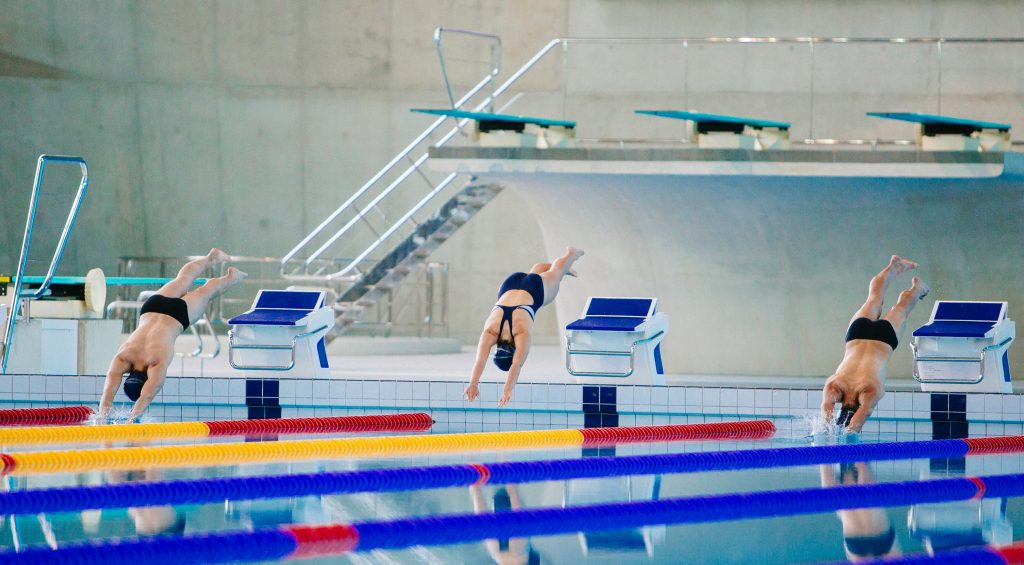
Swimming is one of the most popular and prominent sports in the Summer Olympics, alongside disciplines like athletics, gymnastics, and basketball. Here’s some information about swimming in the Olympics and how the swimming events are organized:
Inclusion in the Olympics: Swimming has been part of the modern Olympic Games since the inaugural modern Olympics in Athens in 1896. Since then, it has been a regular feature in every Summer Olympics.
Events: Olympic swimming features a variety of events, including freestyle, backstroke, breaststroke, butterfly, and individual medley (a combination of all four strokes). There are both men’s and women’s events, as well as relay events where teams of four swimmers compete.
Distance and Style: Swimmers compete in various distances, ranging from the 50m sprint to the grueling 1500m freestyle (for men) and the 800m freestyle (for women). Each stroke has its own set of distances.
Medals: Gold, silver, and bronze medals are awarded to the top three finishers in each event. Swimmers who achieve top performances at the Olympics often become household names and legends in the sport.
Records: The Olympics are a stage where world records are often broken due to the high level of competition and the preparation that goes into the event. Swimmers aim to achieve their best times and possibly set new world records.
Prominent Athletes: Swimmers like Michael Phelps, Ian Thorpe, Katie Ledecky, and many others have become iconic figures in the sport of swimming due to their outstanding performances at the Olympics.
Venue: The swimming events at the Olympics are typically held in specialized swimming pools constructed for the games. These pools adhere to strict regulations regarding dimensions, temperature, and water quality to ensure fair competition.
Diversity: The Olympics showcase a diverse range of swimming talents from countries around the world, highlighting the global nature of the sport.
Paralympic Swimming: In addition to the Summer Olympics, swimming is also a key sport in the Paralympic Games, where athletes with disabilities compete in various classifications and categories.
Swimming at the Olympics is not only about athletic excellence but also embodies the Olympic values of unity, friendship, and fair competition. It provides a platform for swimmers to represent their countries and achieve their dreams on the world stage.