Kabaddi Dairy…
- 17
1) What is Kabaddi?
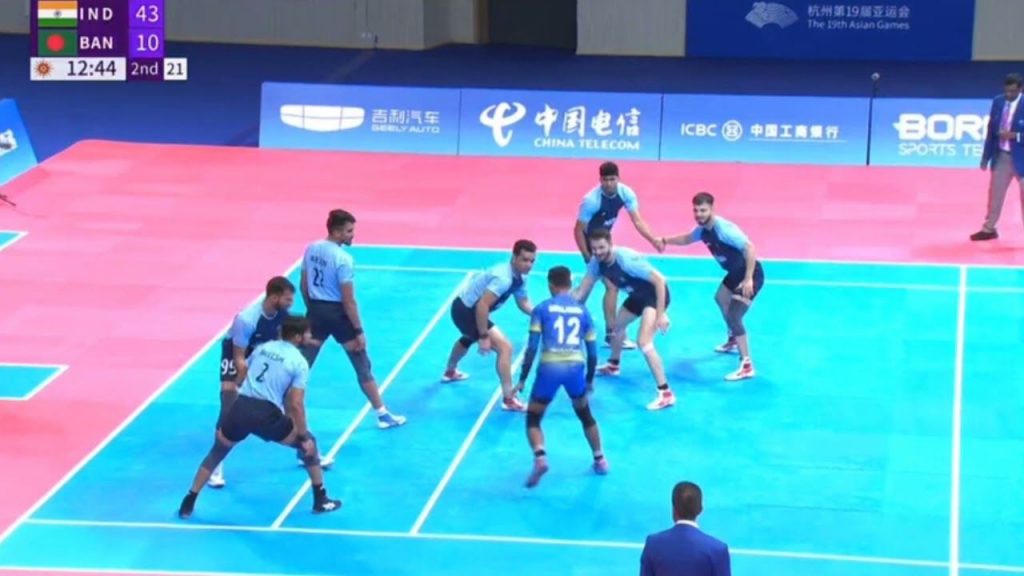
Kabaddi is a traditional contact sport originating in South Asia, particularly India, with a history spanning centuries. It is played by two teams, each taking turns to send a “raider” into the opponent’s half to tag as many defenders as possible while chanting “kabaddi, kabaddi” without taking a breath. The raider must return to their half within a breath-holding time to score a point, while defenders aim to capture and hold the raider. Kabaddi requires strength, agility, and strategic thinking, making it a popular sport in many Asian countries and an official event in multi-sport competitions like the Asian Games.
2) History of Kabaddi Game :
Kabaddi has a long and storied history, dating back over 4,000 years. The exact origins of the sport are somewhat obscure, but it is believed to have evolved in ancient India. Kabaddi was initially a way for warriors to hone their physical fitness and combat skills.
Historical references to kabaddi can be found in ancient Indian texts like the Mahabharata, where it was known as “hadudu.” Over time, the sport took on various regional variations and names, such as “chadukudu” in southern India and “hu-tu-tu” in Maharashtra.
During the British colonial period, kabaddi gained popularity as an organized sport in India. In 1918, the Indian Kabaddi Federation was formed to standardize the rules and promote the game.
Today, kabaddi is not only played in India but has gained international recognition with the formation of the International Kabaddi Federation (IKF). It is a prominent sport in many countries, with organized leagues and competitions, making it a global phenomenon rooted in a rich historical tradition.
3) About Kabaddi Game :
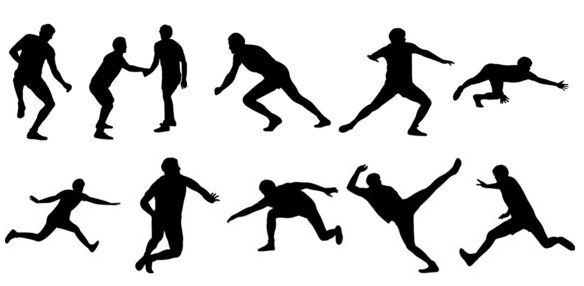
Kabaddi is a team sport that originated in South Asia, particularly in India, and is known for its physicality, strategy, and cultural significance. Here are some key aspects of kabaddi:
♦ Game Objective: The primary objective of kabaddi is for one team’s “raider” to enter the opposing team’s half, touch as many defenders as possible, and return to their own half without being tagged. Points are scored by the raider for each defender tagged without taking a breath, while defenders aim to hold the raider and prevent them from returning.
♦ Team Structure: Each team typically consists of seven players. One player from the team takes on the role of the raider, while the others are defenders. There is also a bonus line in each team’s half, where raiders can earn extra points.
♦ Gameplay: The raider must continuously chant “kabaddi, kabaddi” to show they are not inhaling. This requires stamina and breath control. The raider can be tackled or held by defenders, and the game involves a mix of physical strength, agility, and strategy.
♦ Scoring: Points are awarded for each defender tagged by the raider. Defenders earn points by successfully preventing the raider from returning to their half. Bonus points can be scored by raiders by touching the bonus line.
♦ Rules and Regulations: Kabaddi has well-defined rules, including boundaries, time limits for raiding, and procedures for conducting raids. Infringements and fouls can lead to points awarded to the opposing team.
♦ Variants: There are various forms of kabaddi, including standard kabaddi, beach kabaddi, and circle style kabaddi. Different regions and countries may have their own variations of the game.
♦ International Recognition: Kabaddi has gained international recognition and is played in countries such as India, Pakistan, Bangladesh, Iran, and various other Asian nations. It is an official sport in events like the Asian Games, and there are international kabaddi tournaments.
♦ Cultural Significance: Kabaddi is deeply rooted in South Asian culture and is often played during festivals and local events. It has a strong presence in traditional folklore and is celebrated as a symbol of physical prowess and mental acumen.
♦ Professional Leagues: In recent years, kabaddi has seen the emergence of professional leagues, such as the Pro Kabaddi League in India, which has popularized the sport and drawn significant attention and sponsorship.
Kabaddi is a sport that embodies the spirit of teamwork, physical fitness, and strategic thinking, and it continues to evolve and gain prominence not only in its countries of origin but also on the global sports stage.

4) Rules of Kabaddi Game:
The rules of kabaddi can vary slightly depending on the version being played, but here are the general rules for standard kabaddi, which is the most common form:
♦ Teams: Each team consists of seven players on the field at a time.
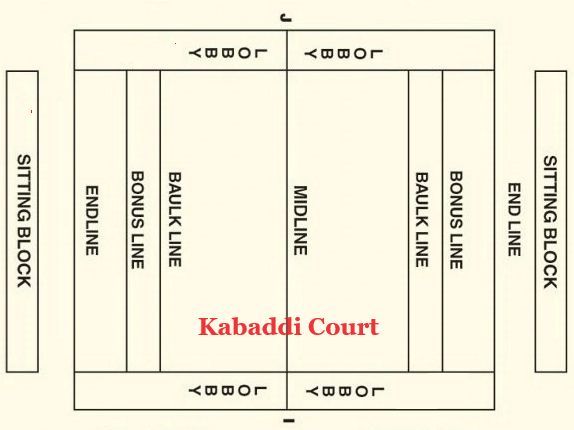
♦ Playing Field: The playing area is typically a rectangular court, divided into two halves by a midline. There are boundary lines that players must not cross.
♦ Game Duration: A standard kabaddi match consists of two halves, each lasting 20 minutes, with a 5-minute break in between.
♦ Raids: The game starts with a “raider” from one team entering the opponent’s half. The raider’s task is to touch as many defenders as possible and return to their half, all while chanting “kabaddi, kabaddi” without taking a breath.
♦ Defending: The opposing team’s defenders attempt to tag the raider and prevent them from returning to their half. Defenders must avoid being touched by the raider and should work to hold the raider until they return to their half.
♦ Scoring: Points are awarded to the raider for each defender tagged without taking a breath. Defenders score points by successfully holding the raider or forcing them out of bounds.
♦ Bonus Line: In the opponent’s half, there is often a bonus line that raiders can touch for additional points.
♦ Out of Bounds: If a player steps out of bounds or crosses a boundary line, they are declared “out” and are temporarily removed from the game.
♦ Revivals: For each defender tagged, a player from the defending team may be revived, allowing them to re-enter the game.
♦ All-Out: If an entire defending team is declared “out” during a raid, the raiding team earns an “all-out” and is awarded two additional points.
♦ Winning: The team with the most points at the end of the match is declared the winner. In case of a tie, there may be extra time periods to determine the winner.
♦ Fouls: Certain actions, such as holding opponents improperly, may result in fouls and points awarded to the opposing team.
♦ Substitutions: Teams can make substitutions during stoppages in the game, ensuring that only seven players are on the field at any given time.
Kabaddi rules may vary in different regions and variations of the sport, such as circle style kabaddi or beach kabaddi. It’s important to follow the specific rules and regulations established for the particular version of kabaddi being played.
5) Kabaddi Tournaments & Championship :
Kabaddi has a strong tradition of tournaments and championships, both at the national and international levels. Some of the notable kabaddi tournaments and championships include:
⇒ Pro Kabaddi League (PKL): The Pro Kabaddi League is one of the most popular professional kabaddi leagues in the world. It features teams representing various cities in India and has significantly increased the sport’s visibility and popularity. PKL typically runs annually, with top domestic and international players participating.
⇒ Asian Games: Kabaddi is an official sport in the Asian Games, which are held every four years. Countries from Asia compete for medals in men’s and women’s categories. The Asian Games kabaddi competition is highly competitive and prestigious.
⇒ Kabaddi World Cup: The Kabaddi World Cup is an international tournament that has been held periodically. It brings together teams from around the world to compete at the highest level. India has traditionally been a dominant force in this tournament.
⇒ National Kabaddi Championships: Various countries, including India, Pakistan, and Bangladesh, hold national kabaddi championships where state or provincial teams compete. These championships serve as a talent pool for selecting national teams.
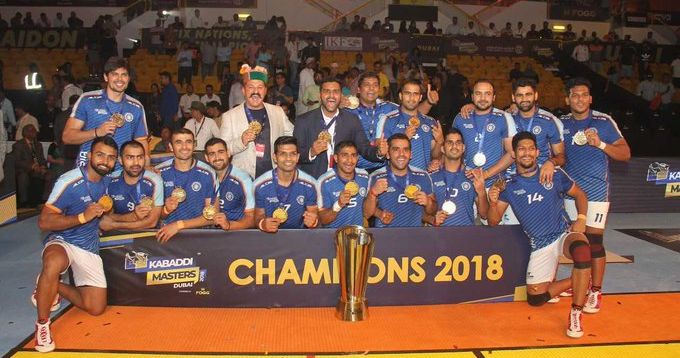
⇒ Kabaddi Masters: The Kabaddi Masters is an international kabaddi tournament that features top teams from around the world. It has been organized to promote the sport on a global scale and create more opportunities for international competition.
⇒ Kabaddi Premier League (KPL): Similar to the Pro Kabaddi League in India, other countries have started their own premier leagues to promote kabaddi and provide a platform for domestic talent.
⇒ State-Level Tournaments: Various states and regions within kabaddi-playing countries host state-level tournaments. These competitions help identify emerging talent and contribute to the development of the sport.
⇒ Beach Kabaddi Championships: Beach kabaddi is a variation of the sport, and there are championships specifically for this format, often held in coastal regions.
These tournaments and championships play a crucial role in promoting and developing kabaddi, providing players with opportunities to showcase their skills, and entertaining fans worldwide. They also contribute to the growth of the sport at both the national and international levels.
1) What is Kabaddi? Kabaddi is a traditional contact sport originating in South Asia, particularly India, with a history spanning centuries. It is played by two teams, each taking turns to send a “raider” into the opponent’s half to tag as many defenders as possible while chanting “kabaddi, kabaddi” without…
1) What is Kabaddi? Kabaddi is a traditional contact sport originating in South Asia, particularly India, with a history spanning centuries. It is played by two teams, each taking turns to send a “raider” into the opponent’s half to tag as many defenders as possible while chanting “kabaddi, kabaddi” without…