Basketball Dairy…
- 87
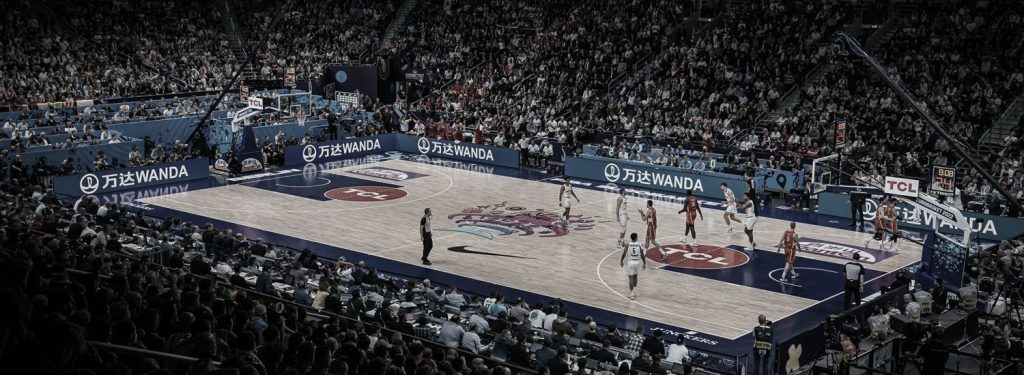
History of Basketball Game :
The history of basketball is a fascinating journey that began in the late 19th century and has evolved into one of the most popular and widely played sports in the world. Here’s a brief overview of the history of basketball:
1. Invention by Dr. James Naismith (1891) : Basketball was invented by Dr. James Naismith, a Canadian physical education instructor, in December 1891. Naismith was taske with creating a new game to keep his students active during the winter months at the International YMCA Training School in Springfield, Massachusetts, USA. He wrote down 13 basic rules and hung a soccer ball in the gym, and the game of basketball was born. The first game was play with a soccer ball and two peach baskets as goals.
2. Early Rules and Development : The early rules of basketball were quite different from today’s game. For example, there was no dribbling allowed, and players could only advance the ball by passing it. The game gained popularity rapidly and spread to other YMCA centers and colleges across the United States.
3. Formation of the First Basketball League (1898) : The first professional basketball league, the National Basketball League (NBL), was formed in 1898. However, it was short-lived and disbanded after just six years. Professional basketball struggled to gain traction in its early years.
4. Formation of the NBA (1946) : The National Basketball Association (NBA) was founded on June 6, 1946, as the Basketball Association of America (BAA). It merged with the National Basketball League (NBL) in 1949 to become the NBA we know today. The NBA has grown to become the premier professional basketball league in the world.
5. International Expansion : Basketball quickly spread internationally, with the sport’s inclusion in the Olympic Games in 1936. The Fédération International de Basketball (FIBA) was founded in 1932 to oversee international basketball competitions.
6. Rise of College Basketball : College basketball in the United States has also played a significant role in the sport’s history. The NCAA Men’s Basketball Tournament, commonly known as “March Madness,” has become a major sporting event in the United States, drawing widespread attention.
7. Evolution of Rules : Over the years, the rules of basketball have evolved to make the game more dynamic and exciting. The introduction of the shot clock in 1954 and the three-point line in the 1970s were significant rule changes that influenced the style of play.
8. Global Popularity : Basketball has become a global phenomenon, with professional leagues in many countries and a massive following worldwide. The NBA, featuring some of the world’s top basketball talent, has been instrumental in spreading the sport’s popularity.
9. Women’s Basketball : Women’s basketball also has a rich history, with the first women’s basketball game reportedly played in 1892. Today, women’s basketball enjoys a strong following and international competitions, including the FIBA Women’s Basketball World Cup.
10. Evolution of the Game: Basketball has continuously evolved, with changes in strategy, athleticism, and player skills. Players like Michael Jordan, LeBron James, Kobe Bryant, and many others have left indelible marks on the sport.
Today, basketball is played at various levels, from local courts to international arenas, and it continues to capture the hearts of millions of fans around the world, making it one of the most beloved and widely played sports globally.

FIBA Basketball World Cup..
The FIBA Basketball World Cup, often referred to simply as the Basketball World Cup, is an international basketball tournament organized by the International Basketball Federation (FIBA). The tournament features national teams from around the world competing for the title of world champion in men’s basketball. Here’s a brief history of the Basketball World Cup:
1. Origins and Early Years: The FIBA Basketball World Cup, originally known as the FIBA World Championship, was inaugurated in 1950 in Buenos Aires, Argentina. Conceived by Dr. James Naismith, the inventor of basketball, the tournament featured ten nations. Argentina emerged as the first champion, marking the beginning of international basketball competition. This event laid the foundation for the future growth and global prominence of the FIBA Basketball World Cup in the years to come.
2. Evolution and Growth: The tournament evolved over the years, with changes in format, number of participating teams, and frequency of events. The World Cup was initially held every four years but later underwent several changes in the frequency of its occurrence. The United States dominated the early years of the tournament, winning numerous titles.
3. Rise of International Competition: As the years went on, the competition began to even out, and more nations began to establish competitive basketball programs. Teams from Europe, Asia, and South America started challenging the traditional dominance of North American teams. The Soviet Union (and later Russia), Yugoslavia (and later its successor states), and Spain became strong contenders, along with teams from the United States.
4. Men’s Tournament: The men’s FIBA Basketball World Cup is held every four years. It typically features 32 national teams from around the world, although the number of participating teams may vary in some editions. The tournament includes a series of group-stage games followed by a knockout stage, culminating in the championship game to determine the world champion.
5. Women’s Tournament : In addition to the men’s tournament, FIBA also organizes the FIBA Women’s Basketball World Cup for women’s national teams. This tournament follows a similar format to the men’s event and features national teams competing for the women’s world championship.
6. Changes in Format : The tournament’s format changed over time. The number of teams varied from year to year, as did the number of rounds and the structure of the competition. Qualification processes were established to determine which teams would participate in the final tournament.
7. Name Change and Rebranding : In 2014, FIBA rebranded the event as the “FIBA Basketball World Cup,” aiming to align the tournament with the FIFA World Cup in terms of its global recognition and importance.
8. Expanded Editions : FIBA has occasionally expanded the tournament to include more teams, providing opportunities for nations that might not have previously participated. The expansion also aimed to increase the global reach of basketball and promote the sport in developing basketball markets.
9. Qualification : To participate in the FIBA Basketball World Cup, national teams must go through a qualification process. Qualifying games are held in different regions around the world, and teams earn their spots based on their performance in these qualifiers.
10. International Stars : The FIBA Basketball World Cup attracts some of the best basketball talent from around the world. NBA players, EuroLeague stars, and top players from various domestic leagues represent their countries in this prestigious competition.
11. Venue Selection : The tournament is hosted by different countries in each edition. Host nations are selected through a bidding process, and the tournament is played in state-of-the-art arenas and facilities.
12. Global Impact: The FIBA Basketball World Cup serves as a major platform for promoting basketball globally. It helps grow the sport in regions where it may not have been as popular and fosters international goodwill through the spirit of competition.
13. Role in Olympic Qualification: The FIBA Basketball World Cup also serves as a qualifier for the basketball competition in the Summer Olympics. The top finishers in the tournament earn automatic berths to the Olympics, with additional qualification opportunities available through regional tournaments.
Overall, the Basketball World Cup has played a significant role in shaping the international basketball landscape and highlighting the diversity of talent and passion for the sport across different nations.

FIBA Basketball World Cup men’s and women’s champions and organizers :
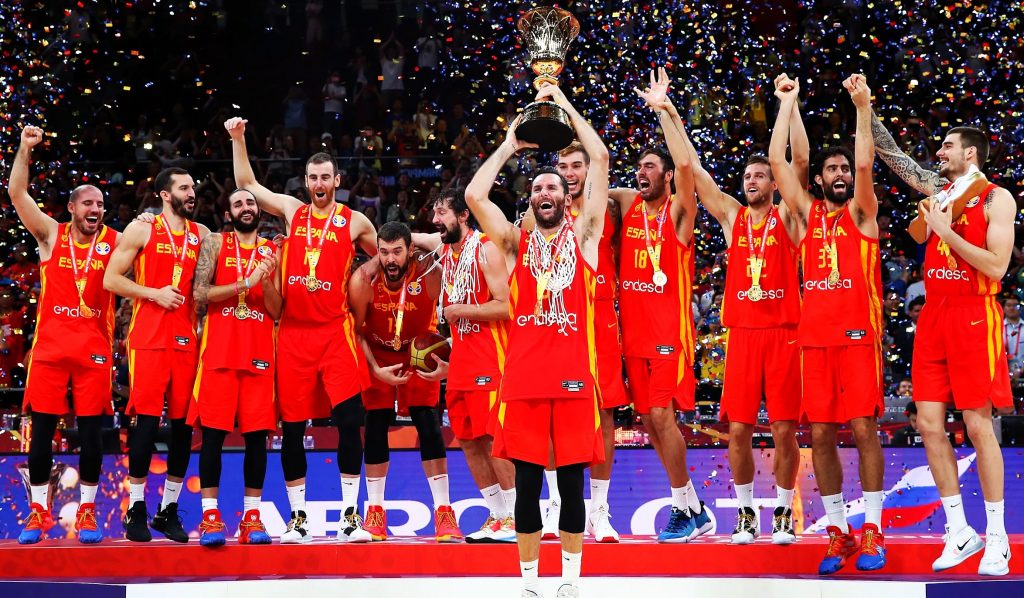
Men’s FIBA Basketball World Cup Champions :
1950 – Argentina (Host: Argentina)
1954 – United States (Host: Brazil)
1959 – United States (Host: Chile)
1963 – Brazil (Host: Brazil)
1967 – Soviet Union (Host: Uruguay)
1970 – Yugoslavia (Host: Yugoslavia)
1974 – Soviet Union (Host: Puerto Rico)
1978 – Yugoslavia (Host: Philippines)
1982 – Soviet Union (Host: Colombia)
1986 – United States (Host: Spain)
1990 – Yugoslavia (Host: Argentina)
1994 – United States (Host: Canada)
1998 – Yugoslavia (Host: Greece)
2002 – Yugoslavia (Host: United States, Japan)
2006 – Spain (Host: Japan)
2010 – United States (Host: Turkey)
2014 – United States (Host: Spain)
2019 – Spain (Host: China)
2023 – Future event (Host: Philippines/ Japan/ Indonesia)
Women’s FIBA Basketball World Cup Champions:
1953 – United States (Host: Chile)
1957 – United States (Host: Brazil)
1964 – Soviet Union (Host: Peru)
1967 – Soviet Union (Host: Czechoslovakia)
1971 – Soviet Union (Host: Brazil)
1975 – Soviet Union (Host: Colombia)
1979 – Soviet Union (Host: South Korea)
1983 – United States (Host: Brazil)
1986 – United States (Host: Soviet Union)
1990 – Soviet Union (Host: Malaysia)
1994 – United States (Host: Australia)
1998 – United States (Host: Germany)
2002 – United States (Host: China)
2006 – Australia (Host: Brazil)
2010 – United States (Host: Czech Republic)
2014 – United States (Host: Turkey)
2018 – United States (Host: Spain)
2022 – United States (Host: Germany)
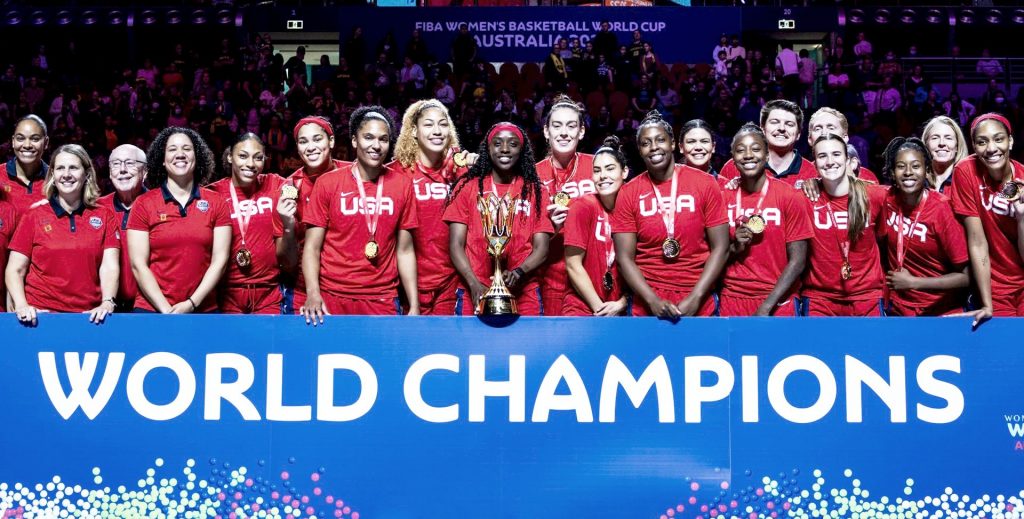
The host countries for these tournaments are the ones that organized or co-organized the respective FIBA Basketball World Cup events.
Prize Money and Trophies FIBA Basketball World Cup :
Prize Money: FIBA typically awards prize money to the top-performing teams in the FIBA Basketball World Cup. The distribution of prize money can vary from one edition to another, and FIBA may adjust the amounts based on factors such as the popularity of the tournament and the revenue generated. Generally, the prize money tends to be higher for the top-placing teams.
It’s important to note that the exact prize money distribution for each place in the tournament may change over time. The prize money might be divided among the teams that reach the knockout stages, with larger shares going to the champion, runner-up, and teams that progress further in the tournament.
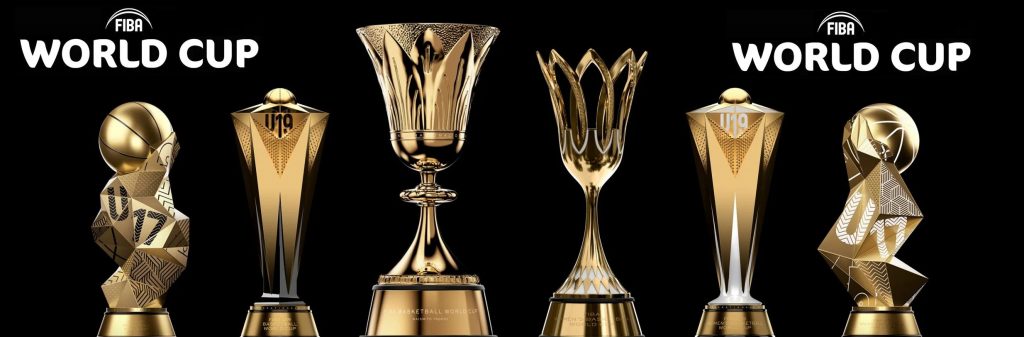
Trophies: The trophies awarded to the winners of the FIBA Basketball World Cup are significant symbols of their achievement. The trophies may also vary from one edition to another in terms of design and materials used.
For the men’s FIBA Basketball World Cup, the winning team is traditionally awarded the “Naismith Trophy,” named after Dr. James Naismith, who is credited with inventing basketball. This trophy is emblematic of their victory and status as world champions.
Similarly, for the women’s FIBA Basketball World Cup, the victorious team receives a trophy that symbolizes their accomplishment as world champions.
History of Basketball Game : The history of basketball is a fascinating journey that began in the late 19th century and has evolved into one of the most popular and widely played sports in the world. Here’s a brief overview of the history of basketball: 1. Invention by Dr. James…
History of Basketball Game : The history of basketball is a fascinating journey that began in the late 19th century and has evolved into one of the most popular and widely played sports in the world. Here’s a brief overview of the history of basketball: 1. Invention by Dr. James…