Golf Dairy…
- 54

About The Golf :
Golf is a popular sport played by millions of people around the world. It is a game of precision and skill, where players use clubs to hit a small ball into a series of holes on a course, with the objective of completing the course in as few strokes as possible. Here are some key aspects of golf:
♦ Course: A typical golf course consists of 18 holes, each with its unique layout and challenges. Courses can vary in terrain, from open fairways to wooded areas and water hazards.
♦ Equipment: Golfers use a set of clubs, typically comprising a driver, woods, irons, wedges, and a putter. These clubs are designed for various shot types, such as long drives, approach shots, and putting.
♦ Scoring: The goal in golf is to achieve the lowest score. Each hole has a par score, representing the ideal number of strokes a skilled golfer should take to complete it. Golfers aim to finish each hole in fewer strokes than its par.
♦ Rules: Golf has a comprehensive set of rules and etiquette, covering everything from how to play the ball to behavior on the course. The rules are maintained by organizations like the United States Golf Association (USGA) and the Royal and Ancient Golf Club of St Andrews (R&A).
♦ Professional Tours: Golf features several major professional tours, including the PGA Tour in the United States, the European Tour, and others. These tours host prestigious events like the Masters, the U.S. Open, the Open Championship, and the PGA Championship.
♦ Amateur and Recreational Play: Golf is also widely played by amateurs and recreational golfers. Many people enjoy it as a leisure activity and a way to socialize.
♦ Health Benefits: Golf provides physical exercise, requiring players to walk long distances and engage in controlled swings, which can enhance cardiovascular fitness and muscle tone. It’s also a sport that can be enjoyed by people of all ages.
♦ Mental Challenge: Golf is known for its mental aspect. Players must strategize, concentrate, and manage their emotions throughout a round.
♦ Golf Etiquette: The sport places a strong emphasis on etiquette and respect for fellow competitors and the course. This includes maintaining a good pace of play, repairing divots and ball marks, and keeping noise and distractions to a minimum.
♦ Global Appeal: Golf has a global following, with courses in many countries and a diverse player base. The sport is included in the Olympic Games, further solidifying its worldwide appeal.
Golf is a sport that combines physical skill, strategy, and mental focus. It can be played at various skill levels, from casual rounds with friends to competitive tournaments, making it a versatile and enjoyable pastime for people of all backgrounds.

Rules of Golf Sports :
Golf is governed by a comprehensive set of rules and guidelines established and maintained by organizations like the United States Golf Association (USGA) and the Royal and Ancient Golf Club of St Andrews (R&A). These rules are designed to ensure fairness, consistency, and integrity in the game. Here are some fundamental rules of golf:
♦ Teeing Off: The round starts from the teeing area, where the ball is played from a tee.
♦ Playing the Ball: Golfers must play the ball as it lies, without moving or improving its position, except within specific circumstances (e.g., embedded ball).
♦ Order of Play: The golfer farthest from the hole typically plays first. This order continues throughout the hole.
♦ Obstructions: Players are allowed relief from artificial obstructions (e.g., cart paths) and can take unplayable lies under certain conditions.
♦ Out of Bounds: When a ball is out of bounds, a penalty stroke is incurred, and the player must take a stroke and distance penalty by playing from where the previous shot was played.
♦ Water Hazards: Different rules apply for regular water hazards (yellow stakes or lines) and lateral water hazards (red stakes or lines).
♦ Bunkers: Special rules govern play from sand bunkers. Players cannot ground the club in a bunker before making a shot.
♦ Putting and Holing: The ball must be holed out; there are specific rules for holing putts and dealing with a ball that rests on the edge of the hole.
♦ Pace of Play: Golfers should maintain a reasonable pace and be aware of their position on the course in relation to other groups. Slow play can incur penalties.
♦ Etiquette: Golf places a strong emphasis on etiquette, including repairing divots and ball marks, maintaining a good pace of play, and being respectful of fellow competitors.
♦ Penalties: Penalties are assessed for rule violations, typically involving the addition of strokes to a player’s score.
♦ Match Play vs. Stroke Play: Golf can be played in different formats, with rules varying slightly between match play (where each hole is a separate contest) and stroke play (where total strokes over the round determine the winner).
♦ Conduct: Golfers are expected to conduct themselves with sportsmanship and honesty. Penalties can be applied for unsportsmanlike conduct.
These are just a few of the essential rules in golf. The official rules of golf are detailed and can be complex, but they ensure a level playing field for all participants. Players are encouraged to familiarize themselves with these rules to enjoy the game while maintaining its integrity. The rules may be updated and refined by golf governing bodies, so it’s essential to stay current with the latest rule changes.

Golf Tournaments / Championships :
Golf tournaments are competitive events where professional and amateur golfers come together to compete for prizes, titles, and recognition. These tournaments vary in size, prestige, and format. Some of the most notable golf tournaments include:
♦ Major Championships:
- The Masters: Held annually at Augusta National Golf Club in the United States, this is one of the most prestigious tournaments in golf.
- The U.S. Open: Organized by the United States Golf Association, this championship tests golfers on challenging courses in the United States.
- The Open Championship (British Open): One of golf’s oldest tournaments, it rotates among links courses in the United Kingdom and is known for its unique challenges.
- The PGA Championship: One of the four major championships, it features strong international competition.
♦ Professional Tours:
- PGA Tour: The primary men’s professional golf tour in the United States, featuring a regular schedule of events, including The Players Championship and the FedExCup Playoffs.
- European Tour: A major men’s professional golf tour in Europe, hosting events like the BMW PGA Championship and the DP World Tour Championship.
- LPGA Tour: The premier women’s professional golf tour, featuring tournaments like the U.S. Women’s Open and the Women’s British Open.
- Champions Tour: A senior men’s professional tour for golfers aged 50 and older.
♦ Ryder Cup: A biennial men’s golf competition between teams from Europe and the United States, known for its team format.
♦ Solheim Cup: The women’s equivalent of the Ryder Cup, with teams from Europe and the United States competing every two years.
♦ Presidents Cup: Another men’s team competition, featuring teams from the United States and an International team (excluding Europe).
♦ Olympic Golf: Golf was reintroduced to the Olympic Games in 2016, with both men’s and women’s events.
♦ Amateur Tournaments: These include events like the U.S. Amateur, the British Amateur, and the NCAA Golf Championships for college players.
♦ World Golf Championships (WGC): A series of high-profile events featuring top-ranked players from around the world, including the WGC-Dell Technologies Match Play and the WGC-FedEx St. Jude Invitational.
♦ Regional and Local Tournaments: There are numerous regional and local golf tournaments held at clubs and courses around the world, catering to golfers of varying skill levels.
♦ Celebrity and Charity Tournaments: Some tournaments feature a mix of professional golfers and celebrities or raise funds for charitable causes.
These tournaments provide a platform for golfers to showcase their skills and compete at various levels, from local club events to the most prestigious majors. They attract a wide audience of golf enthusiasts and contribute to the sport’s popularity and growth.
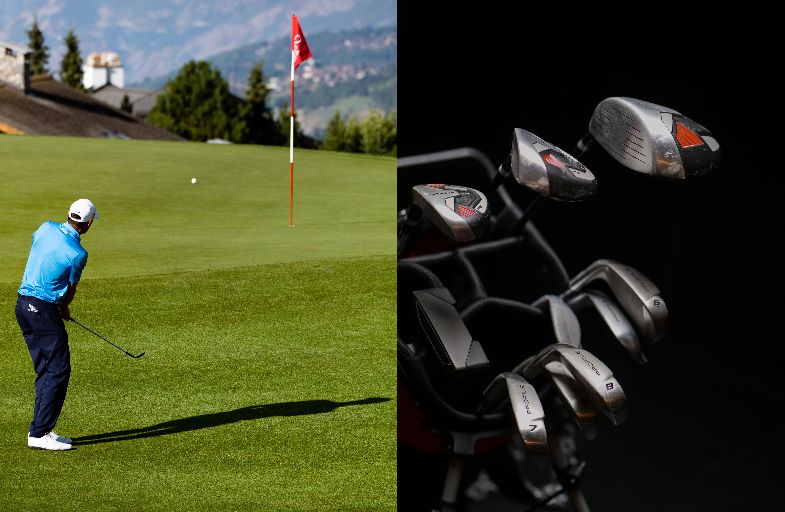
Golf Dairy… What is Golf ? Golf is a precision sport where players aim to hit a small ball into a series of holes on a vast outdoor course using the fewest possible strokes. Each hole has its own unique layout and challenges. The game is played…
Golf Dairy… What is Golf ? Golf is a precision sport where players aim to hit a small ball into a series of holes on a vast outdoor course using the fewest possible strokes. Each hole has its own unique layout and challenges. The game is played…